
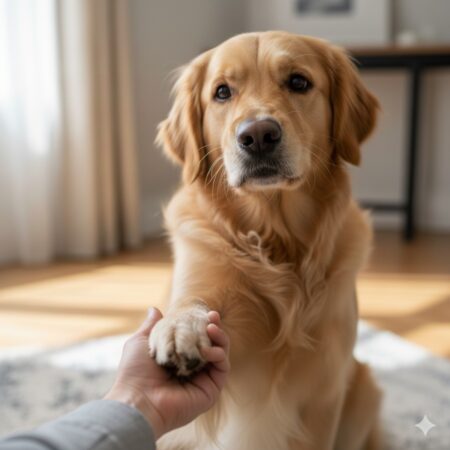
10 Reasons Why Dogs Don’t Like Their Paw Touched
Dogs often exhibit sensitivity when their paws are touched, and it’s not uncommon for them to recoil or show discomfort. This behavior can stem from various reasons like personal preference, past experiences, or even instinct. Let us quickly delve into the possible 10 Reasons why dogs don’t like their paw touched, helping us better understand our furry friends.
Why Do Some Dogs Not Like Their Paws Touched?
Dogs may dislike paw touching due to sensitivity, past trauma, or instinctual protection. Their paws are vital for balance and sensation, making them cautious about touch. Gradual desensitization can help some dogs become more comfortable.
Why Do Dogs Not Like Their Nails Clipped?
Dogs often dislike nail clipping because it can be painful, especially if the quick (nerve and blood vessel) is accidentally cut. They may also associate the process with restraint, fear of the clippers, or a lack of trust. Patience, positive reinforcement, and careful handling can make nail trimming less stressful.
Why Do Dogs Not Like Their Ears Touched?
Some dogs are sensitive about their ears due to delicate skin, potential ear infections, or negative experiences. Ears are also a vulnerable area, making dogs cautious. Gentle ear handling and regular checks can help build trust and prevent issues like wax buildup or mites.
SEE ALSO: Why Dog Makes Grunting Noises When Sleeping?
10 Reasons Why Dogs Don’t Like Their Paw Touched
1. Paw sensitivity:
Paw sensitivity is a common reason dogs dislike touch. With numerous nerve endings, even light contact can feel intense. This sensitivity helps dogs navigate their environment but also makes paw handling unpleasant for them.
2. Past experiences:
Negative past experiences, like accidental nail cuts or rough handling, can leave a lasting impact. Dogs may associate paw touch with pain, leading to future avoidance and anxiety around the act.
3. Instinct:
Instinctively, dogs protect their paws to preserve mobility and survival. In wild settings, injured paws could hinder escape or hunting, so they’re naturally defensive about them.
4. Personal space:
Dogs, like people, have personal boundaries. Some may view paw touching as an invasion of privacy, especially if they’re not in the mood for affection or interaction.
5. Nail issues:
Long, brittle, or ingrown nails can cause pain when touched. Dogs might flinch or pull away to avoid aggravating these nail problems, associating paw contact with discomfort.
6. Fear of restraint:
Dogs may fear restraint during paw handling, perceiving it as loss of control. This fear can stem from holding their paws still, making them uneasy and resistant to touch.
7. Lack of trust:
If a dog lacks trust in you, they might see paw touching as a potential threat. Building trust through gentle interactions and positive reinforcement can help them feel more at ease.
8. Ticklishness:
Some dogs experience ticklish sensations in their paws, similar to humans. Light or unexpected touch can trigger this reaction, causing them to squirm or move away.
9. Medical problems:
Paw injuries, infections, or conditions like arthritis can make touch painful. Dogs may avoid paw contact to prevent further discomfort, signaling a need for veterinary care.
10. Breed characteristics:
Certain breeds, such as Greyhounds or Basset Hounds, are genetically predisposed to paw sensitivity. Their anatomy and nerve distribution make them more reactive to touch, a trait inherent to their breed.
My Dog Tries to Bite Me When I Touch His Paws
Your dog might bite when you touch their paws due to fear, pain, or protective instincts. Start by gently massaging their paws with treats, gradually building trust. If biting persists, consult a professional dog trainer for guidance.
Why Do Dogs Not Like Human Feet?
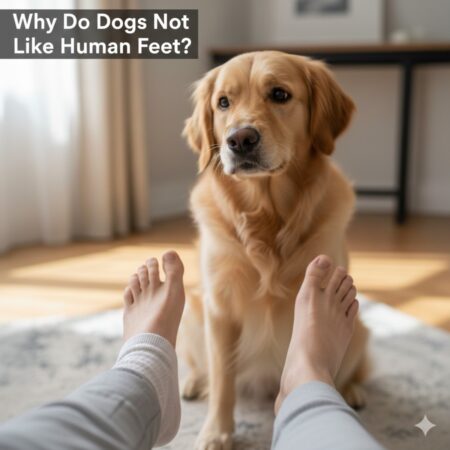
Dogs may dislike human feet for several reasons such as:
- Smell: Feet can have a strong odor that dogs find unpleasant.
- Movement: Sudden foot movements might startle or confuse dogs.
- Personal space: Dogs may feel their space is invaded by feet, especially if touched or stepped on.
- Past experiences: Trauma from being kicked or stepped on can lead to foot aversion.
- Instinct: In canine communication, feet aren’t typically used, making them unfamiliar or uninteresting.
- Texture: Some dogs dislike the feel of human skin or socks.
- Noise: Footsteps or rustling shoes can be alarming to sensitive dogs.
- Dominance: A dog might see feet as a vulnerable target, prompting protective behavior.
Why Does My Dog Hate Being Touched By My Feet?
Your dog’s dislike of your feet could stem from sensitivity, fear, or territorial instincts. They might interpret your feet as an intrusion or feel uneasy about the sensation. Try desensitizing your dog by touching their body with your feet gently while offering rewards. This can help them associate foot contact with positive experiences.
10 Ways To Helping Your Dog Enjoy Having Their Paws Touched
Here are ways to help your dog feel comfortable with paw touch:
- Start slow: Gradually introduce paw handling to avoid overwhelming your dog.
- Use treats: Reward your dog with treats during paw touch to create a positive association.
- Massage gently: Softly rub your dog’s paws to relax them and build trust.
- Get them used to nail care: Trim nails gradually and praise your dog for staying calm.
- Touch paws during relaxation: Handle paws when your dog is already in a calm state.
- Desensitize with touch: Regularly touch your dog’s paws in various contexts to normalize the action.
- Be patient: Don’t force paw handling; let your dog set the pace.
- Offer a comfortable environment: Ensure your dog feels safe and secure during paw touch.
- Distract with toys: Use toys or play to shift your dog’s focus away from paw sensitivity.
- Seek professional help: If your dog remains resistant, consult a trainer or behaviorist for tailored advice.
What Does It Mean When A Dog Let’s You Touch Their Paws?
When a dog allows paw touching, it signifies trust and comfort. They feel secure enough to let you handle a sensitive area, showing a strong bond and confidence in your gentle care.
How to Desensitize a Dog to Paw Touching
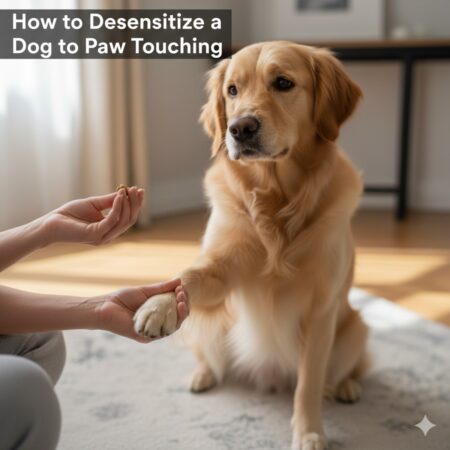
Desensitizing your dog to paw touch involves patience and consistency:
- Begin by lightly touching your dog’s paw while giving a treat. Repeat this process daily.
- Gradually increase touch duration and pressure, always rewarding calm behavior.
- Massage the paw gently to help your dog associate touch with relaxation.
Practice touching between toes and pads to cover all areas. - If your dog shows discomfort, pause and resume when they’re ready.
Over time, your dog will learn that paw touch is harmless and even enjoyable.
What to Do When Your Dog Hates Having His Paws Dried?
If your dog dislikes paw drying, try these tips:
- Use a soft towel or microfiber cloth for gentle drying.
- Dab instead of rub to minimize irritation.
- Offer treats during the process to make it more pleasant.
- Let your dog see and sniff the towel first to reduce anxiety.
- Dry paws in short sessions, giving breaks if needed.
- Consider using a pet dryer on a low setting for a more comfortable experience.
SEE ALSO: Dog Walking Tips for Less Than Perfect Weather Conditions
In Conclusion,
Dogs’ aversion to paw touch stems from various factors, including sensitivity, past experiences, and instinct. So, understanding these reasons help you to approach your dog’s paw handling with care and patience. By using positive reinforcement and gradual exposure, you can help your dog become more comfortable with touch, strengthening your bond and easing future care routines.
FAQs:
What is a red flag dog’s behavior?
Red flag behaviors in dogs include growling, snapping, biting, excessive fearfulness, aggression, or sudden changes in demeanor. These signs indicate potential issues and warrant attention from a professional dog trainer or behaviorist.
What annoys dogs the most?
Dogs can be annoyed by loud noises, sudden movements, teasing, lack of personal space, and uncomfortable situations like baths or nail trimming. Although each dog is unique, so it’s crucial to observe and respect their individual preferences.
Are dogs paws sensitive to touch?
Yes, dogs’ paws are sensitive due to a high concentration of nerve endings. They use their paws to feel their environment, making them receptive to touch, pressure, and texture. Sensitive paws help dogs balance and react to stimuli.
Do dogs like their paws touched
Most dogs are not fond of having their paws touched, as it can be uncomfortable or even painful. However, some dogs may tolerate or enjoy gentle paw contact if they’re accustomed to it and trust their owner.


