

Are Corgis Hypoallergenic? Here is the Answer!
Oh hey! So you are wondering if corgis are hypoallergenic? I get why, those adorable stubby legs and big ears are seriously tempting! But let’s be real: if you are allergy-prone, bringing home a pup is a big decision so, the short answer is: Corgis aren’t hypoallergenic, but read on to know all you really need before you fall head over heels.
How Hypoallergenic Are Corgis?
Honestly? Not very. Corgis shed a lot like, double-coated, seasonal-blanket-level shed and that means dander, which is what most people are actually allergic to. So while no dog is 100% hypoallergenic, corgis are definitely on the higher-allergen end. That said, some folks with mild allergies manage okay with extra grooming and a clean home. But if you’re sensitive, it’s smart to spend time around one first.
What Are The Top 3 Rarest Allergies?
Oh wow, that’s a wild topic! But here are some of the rarest allergies: aquagenic urticaria (hives from water yes, really), dermatographic urticaria (skin reactions from light scratches), and cold urticaria (breaking out in hives from cold temps). It’s mind-blowing how unique immune systems can be!
What Corgi Mix is Hypoallergenic?
The Corgipoo (also known as a Coroodle or Corgidoodle) is the only Corgi mix recognized as potentially hypoallergenic. This is a crossbreed between a Pembroke or Cardigan Welsh Corgi and a Poodle produces significantly less dander and shedding if it inherits the Poodle’s coat.
Are Cardigan Welsh Corgis Hypoallergenic?
Not really, no. Cardigan Welsh Corgis have a thick double coat that sheds especially in spring and fall, so they release plenty of dander, the main allergy trigger. While some people with mild sensitivities manage okay with extra cleaning and grooming, Cardigans aren’t considered hypoallergenic. If allergies are a concern, spending time with one first is your best bet.
Hypoallergenic Corgi Poodle Mix
The Corgi Poodle mix, also known as a Corgipoo, is not guaranteed to be 100% hypoallergenic. While Poodles are low-shedding and hypoallergenic, Corgis have dense double coats that shed heavily. Because it is a mixed breed, coat types vary wildly, and your dog’s allergy-friendliness will depend on which parent’s genes they inherit most.
List of Hypoallergenic Dogs
Sure! Some popular hypoallergenic breeds include Poodles, Bichon Frises, Shih Tzus, Maltese, Portuguese Water Dogs, and Schnauzers. These dogs typically shed less and produce fewer allergens, making them better for sensitive folks. But remember that no dog is 100% allergen-free so spending time with one first is always smart.
READ ALSO: Do Great Pyrenees Shed? Find Out!
What Hypoallergenic Dogs Are Cuddly?
Bichon Frises and Maltese are super cuddly and known for loving lap time plus they are low-shedders. Shih Tzus? Total snuggle bugs who thrive on closeness. And let’s not forget Poodles, they are smart and affectionate, especially the smaller sizes. All are great picks if you want cozy cuddles without the sneezes!
Reason Why Corgis Aren’t Hypoallergenic
Corgis aren’t hypoallergenic because they have a thick double coat that sheds heavily especially during seasonal changes. This shedding releases dander, the tiny skin flakes that most people are actually allergic to. Even with regular grooming, they still spread allergens, making them tough for sensitive folks.
Corgi Allergies: Symptoms and Causes
Corgi allergies are usually triggered by dander, saliva, or urine and not the fur itself. Common symptoms include sneezing, itchy eyes, runny nose, or skin rashes. Because corgis shed a lot and have oily coats, they can spread more allergens around the house.
List of Common Corgi Food Allergies
Common food allergies in corgis include beef, chicken, dairy, eggs, wheat, and soy. Some may also react to corn or certain fillers in lower-quality foods. Signs like itching, ear infections, or upset stomach could point to a food issue. So, if you suspect an allergy, a vet might suggest an elimination diet to pinpoint the culprit.
Why Are Corgis So Adorable?
Where do I even start? Those big, expressive eyes, perky ears, and that signature waddle make corgis impossible not to love. They have got the perfect mix of mischief and sweetness, like tiny royal guards with big personalities. Plus, that fluffy butt? Honestly, it’s a national treasure.
Can Corgis With Allergy Tendencies Make Good Pets?
Absolutely, they can still be great pets! While corgis aren’t hypoallergenic, many with mild allergies thrive with regular grooming, air purifiers, and a clean home. If you have allergies, consider a Porgi mix or spend time around corgis first. And if your corgi has food or skin allergies, a vet can help manage it. With care, they’re still the loyal, funny companions we adore.
Are Corgis High Maintenance Dog?
They are not the highest, but they are not low-maintenance either! Corgis need regular brushing (especially during shedding season), daily exercise, and mental stimulation. Their coats need grooming, and their smart, stubborn streak means training takes patience.
How to Manage Allergies to A Corgi?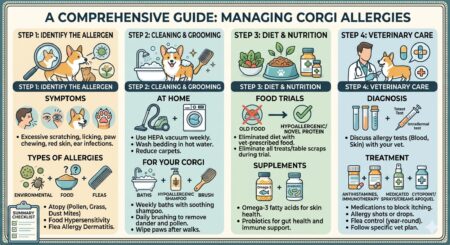
If you are allergic to Corgi, here is how to manage their allergies:
- First, groom regularly, brush your corgi 2 to 3 times a week to catch loose hair and dander before it spreads.
- Bathe them every few weeks with a gentle, hypoallergenic shampoo on Amazon and other pet stores to reduce skin allergens.
- Clean your home often, vacuum with a HEPA filter on Amazon, wash bedding, and use an air purifier to trap allergens.
- Limit contact, keep your corgi off sofas and beds, and wash your hands after petting them.
- Finally, talk to your doctor, allergy meds or shots can help you coexist more comfortably. For every small step adds up!
What Are The Good and Bad Traits of A Corgi Dog?
The good traits are: Corgis are smart, loyal, and full of personality, great with families and eager to learn. They’re affectionate and funny, always keeping things lively! But, their bad traits are: they can be stubborn, bark a lot, and need consistent training. Their shedding and energy mean grooming and exercise are a must. So, super rewarding but not a low-effort pup!
READ ALSO: Do Bulldogs Shed? Truth Revealed
Tips on How to Live with Dogs if You Have Allergies
Living with dogs and allergies can be totally possible with these few smart moves:
- First, create pet-free zones like your bedroom to give your body a break.
- Use a HEPA air purifier and vacuum regularly with a HEPA filter to trap allergens.
- Bathe and brush your dog weekly, it reduces dander and loose fur.
- Wash your hands after petting them, and avoid touching your face.
- Invest in easy-to-clean surfaces, hard floors, washable rugs, and slipcovers help and talk to your doctor, allergy meds or shots can make a big difference.
With the right habits, you can enjoy cuddles without the sneezes!
In Conclusion,
So, are corgis hypoallergenic? Nope, not even close. They shed a lot and carry dander, the real culprit behind most allergies. But if you’re set on a corgi, don’t give up hope! With smart grooming, a clean home, and maybe a Porgi mix, you might still find a way to share your life with one. Just be realistic, take precautions, and always meet the pup first. Love might be worth a few sneezes but only you can decide!
FAQs:
What is the #1 hypoallergenic dog?
The Poodle (especially the Miniature or Toy) is often considered the #1 hypoallergenic dog, thanks to its low-shedding, curly coat that traps dander. They’re smart, adaptable, and a top pick for allergy sufferers.
Can someone with dog allergies own a corgi?
It’s possible, but tricky. If your allergies are mild, you might manage with serious grooming, air purifiers, and strict cleaning routines. But if you’re highly sensitive, a corgi’s heavy shedding and dander can make life miserable for you.
Are corgis ok for people with allergies?
Honestly? Usually not ideal for people with allergies. Corgis shed a lot and produce dander, which most people with allergies react to. Even with grooming and cleaning, they tend to spread allergens around the home.
Are Corgis good dogs?
Absolutely, Corgis are smart, loyal, and full of charm, great with families and always up for a laugh. They’re alert, trainable (if a little stubborn!), and form strong bonds.


