
10 Reasons Why Dogs Are Cleaner than Human
You might be surprised to learn that our canine companions are often cleaner than us humans! From their careful grooming habits to their instinctive avoidance of filth, dogs have some impressive ways of staying fresh and tidy. So, without wasting time, let’s dive into the fascinating reasons why dogs can give us a run for our money when it comes to cleanliness.
Are Cats Mouths Cleaner Than Humans?
Although cats are known for their meticulous oral hygiene, a cat’s mouth is not cleaner than a human’s. While cats have fewer types of bacteria (around 200) compared to humans (around 400 to 600), their mouths contain different, often more dangerous bacteria like Pasteurella multocida, which can cause severe infections. So, while cats may have cleaner mouths than humans in some aspects, both species can carry harmful bacteria. Regular dental care is essential for both humans and cats.
SEE ALSO: 10 Real Reasons Why Dogs Are Hunters
Are Dogs’ Tongues Really Cleaner Than Humans’?
Dogs’ tongues do have antibacterial properties, but they’re not necessarily cleaner than humans’. A dog’s tongue can harbor a unique mix of microbes, some of which are beneficial, while others might cause illness. So, it’s a myth that dogs’ tongues are always cleaner, though their licking can sometimes help heal wounds.
Is a Dog’s Mouth Cleaner Than a Human’s Mouth?
A dog’s mouth isn’t inherently cleaner, but it hosts a distinct microbial community. Dogs often have fewer harmful bacteria than humans, yet their mouths can still contain pathogens. It’s not accurate to say one is definitively cleaner than the other; both require good oral hygiene practices.
10 Reasons Why Dogs Are Cleaner than Human
Below are some of the reasons why dogs are considered more cleaner than humans:
1. Self-grooming habits keep their coats clean
Self-grooming helps dogs remove dirt, parasites, and debris from their fur and skin, keeping them cleaner. This regular maintenance ensures their coat stays healthy and free of irritants, a habit humans often lack.
2. They avoid eating spoiled food
Dogs’ instinct to reject rotten food prevents harmful bacteria from entering their system, contributing to overall cleanliness and health. Unlike humans, they’re less likely to consume spoiled items, reducing the risk of digestive issues.
3. Dogs often lick wounds to clean them
Licking wounds removes dirt and debris, promoting healing. Dogs’ saliva also contains enzymes that combat infection, keeping their injuries clean and aiding recovery more effectively than humans might with basic wound care.
4. Their paws are cleaned by licking and scratching
Dogs meticulously clean their paws to remove dirt, grime, and potential irritants. This practice prevents the spread of filth and keeps their paws in good condition, unlike humans who may neglect foot hygiene.
5. Many dogs dislike dirty living spaces
Some dogs express discomfort in messy environments, encouraging their owners to tidy up. This behavior reflects their preference for cleanliness, often surpassing humans’ tolerance for clutter and disorganization.
6. Some breeds are low shedders, reducing hair mess
Low-shedding breeds produce less fur, resulting in less dog hair scattered around. This minimizes cleaning tasks for owners and keeps spaces hair-free, a trait many humans can’t replicate with their own hair.
7. Dogs frequently clean their faces and paws
Dogs’ frequent facial and paw grooming ensures these high-contact areas stay clean. This diligence often exceeds human hygiene practices, particularly for faces and hands, which can accumulate dirt and germs.
8. They may avoid certain smells, including their own waste
Dogs’ sensitivity to unpleasant odors, including their feces, leads them to defecate away from living areas. This natural behavior keeps their surroundings cleaner, contrasting with some humans’ occasional neglect of proper waste disposal.
9. Canine saliva has some antibacterial qualities
Canine saliva’s antibacterial properties help fight germs in their mouths and on their fur. While not a substitute for human hygiene, this trait contributes to dogs’ overall cleanliness and resistance to certain infections.
10. Dogs can be trained for good hygiene, like not tracking mud indoors
Training enables dogs to learn habits like waiting to be cleaned before entering the house, preventing mud and dirt from being tracked inside. This trainability often makes dogs more compliant with household cleanliness than their human counterparts.
Are Some Dogs Cleaner Than Others?
Yes, cleanliness varies among dogs. Breeds like Poodles and Bichon Frises are known for their low-shedding, easy-to-clean coats. Conversely, dogs with thick fur or high-energy lifestyles may require more grooming and cleaning. Individual habits also play a role, as some dogs are meticulous about their hygiene while others are less so.
What Animal Has the Cleanest Mouth?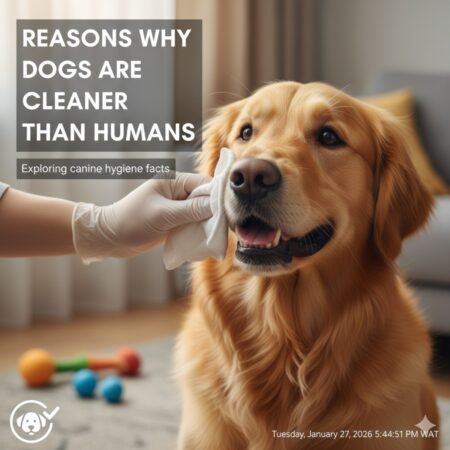
While no animal has a completely “”clean”” mouth, some creatures are known for their oral hygiene. For instance, cows have a four-chambered stomach that helps break down food, reducing bacteria. Dolphins and some birds also keep their mouths clean through self-cleaning mechanisms. However, the title of cleanest mouth is subjective and depends on the criteria used.
Which Animal’s Mouths Are Cleaner Than That of Humans?
Animals like horses, goats, dog, and some reptiles have mouths considered cleaner than humans due to their diets and digestive systems. But, No animal’s mouth is fundamentally “cleaner” or safer than a human’s. These animals often eat plants or prey that don’t introduce as many harmful bacteria into their mouths as human food can.
Is Dog Saliva Harmful to Humans?
Dog saliva isn’t typically harmful, but it can contain bacteria like Capnocytophaga that might cause illness in people with weakened immune systems. While rare, it’s best to practice good hygiene, like washing hands after contact with dog saliva.
Dog Mouth Bacteria vs Human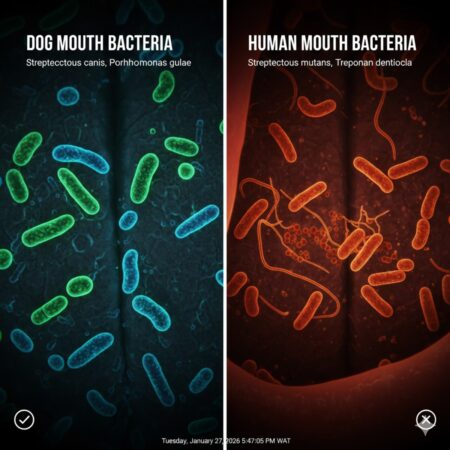
Differences: Dogs have more diverse oral bacteria due to their varied diet and environment. Human mouths are more prone to harmful bacteria like Streptococcus, which can lead to cavities and infections.
Similarities: Both species share some common bacteria, and good oral hygiene (like brushing) helps control harmful microbes in dogs and humans alike. Regular dental care is essential for both to prevent issues.
In Conclusion,
Dogs exhibit several cleanliness habits that rival or even surpass those of humans. From self-grooming to avoiding foul smells, their natural behaviors contribute to a cleaner lifestyle. While humans and dogs have different cleanliness priorities, our canine friends offer valuable lessons in personal hygiene and environmental tidiness.
FAQs:
Is a dogs mouth cleaner than a toilet?
Surprisingly, a dog’s mouth can be cleaner than a toilet in some cases. Toilets harbor a wide range of bacteria, including harmful pathogens like E. coli. Dogs’ mouths, though not sterile, often contain fewer dangerous germs, especially if they’re well-cared for.
Is dog saliva cleaner than humans?
Dog saliva isn’t necessarily cleaner, but it has some advantages. It contains lysozyme, which fights bacteria, and dogs often swallow their saliva, reducing bacterial buildup. Human saliva also has protective enzymes, but our mouths can accumulate more bacteria due to diet and habits.
Are dogs mouths cleaner than cats?
Dogs and cats both have unique oral bacteria. Cats are meticulous groomers, which helps keep their mouths clean. Dogs, however, may have a slight edge due to their saliva’s antibacterial properties and tendency to eat less decayed food. But overall, both pets maintain relatively clean mouths.
Do dogs have the cleanest mouth?
Dogs don’t have the cleanest mouths, but they’re quite clean compared to many animals. Their mouths are adapted to their natural behaviors, like eating and licking, which help remove debris. However, some animals, like anteaters or koalas, might have cleaner mouths due to their specialized diets.


