
Why Do Cats Meow? Your Cat Maybe Saying Something
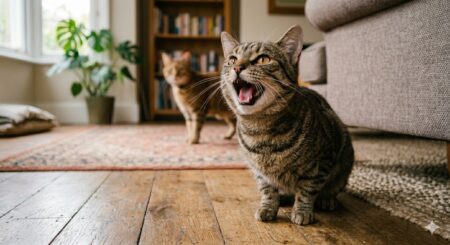
Have you ever wondered why your cat meows at you? Especially when you’re on the phone or walking to the kitchen? Well, it turns out, cats don’t meow at each other much, they meow at you. It’s their way of talking, asking, or even demanding things. From hunger to attention, every meow might be a message once you learn to listen and understand.
What Does Meowing and Yowling Mean?
Meowing is usually a friendly or attention-seeking sound made directed at humans like asking for food or pets. Yowling, on the other hand is a deeper and more drawn out sound which often signals distress, pain, or territorial issues, especially in unsprayed or senior cats. It can also happen during mating or confusion.
Why is My Male Cat Meowing So Much All of A Sudden?
A sudden increase in meowing from your male cat could signal several things like if unneutered, he may be calling for a mate, this is common during mating season. Pain, discomfort, or even medical issues like hyperthyroidism or kidney disease can also cause excessive vocalization. Stress from changes in the environment, loneliness, or hunger might also be factors to consider too. Older cats may meow more due to confusion or cognitive decline. So, it’s best to consult a vet to rule out health problems.
Why is My Female Cat Meowing So Much All of A Sudden?
If your female cat is suddenly meowing excessive, it can signal heat (if unspayed), pain, stress, or illness like thyroid or kidney issues. It may also come from a place of from anxiety, hunger, or cognitive changes in older cats. But, a vet visit may helps identify the cause.
Why is My Female Cat Meowing So Much and Rubbing Everything?
Your female cat may be in heat, meowing and rubbing are classic signs of heat period in cats. Rubbing marks territory with scent glands and seeks attention. If not spayed, she’s likely signaling readiness to mate. Spaying usually stops this behavior.
Why Does My Cat Meow at The Door at Night?
Your cat may meow at the door at night due to boredom, hunger, or wanting to go outside. It could also signal anxiety, territorial behavior, or a disrupted sleep cycle. But, establishing a calming bedtime routine can help reduce this behavior.
SEE ALSO: Why Do Cats Sleep So Much? 10 Reasons Why
Why Do Cats Meow? What is Your Cat Saying?
1. Hunger
When hungry, cats often use short, repetitive, and insistent meows, sometimes escalating in pitch or frequency. They may follow you to the kitchen, stare at their bowl, or paw at you. This targeted vocalization is learned behavior, especially if feeding follows. It’s their way of saying, “It’s time to eat!”
2. Attention
When seeking attention, cats use soft, chirpy, or persistent meows often while staring, rubbing against you, or pawing. They may follow you from room to room or vocalize more when you’re busy. This behavior is a learned way to say, “Notice me!” and is common in affectionate or social cats.
3. Greeting
When greeting you, cats often use short, high-pitched, cheerful meows, sometimes called “hello” meows. They may chirp or trill softly, with relaxed body language, upright tail, and slow blinks. This friendly vocalization shows recognition and affection, especially after time apart.
4. Loneliness
A lonely cat may meow in long, drawn-out, mournful tones often when left alone or at night. The meows can be repetitive and lack urgency, signaling emotional need rather than hunger or pain. They might follow you before you leave or stare at the door, seeking connection.
5. Stress or anxiety
An anxious cat may meow in a high-pitched, frantic, or repetitive way often paired with pacing, hiding, or dilated pupils. The tone sounds urgent or distressed, not casual. Triggers include loud noises, new pets, or routine changes. This vocalization signals discomfort and a need for reassurance.
6. Illness or pain
A cat in pain may let out low, growling meows or sharp, sudden cries unlike their usual voice. The meows are often persistent, weak, or accompanied by hiding, lethargy, or changes in appetite. They may vocalize when touched or at night. Know that any new or intense meowing warrants a vet check.
7. Mating calls
Cats in heat let out loud, persistent, almost wailing cries especially at night. Female cats roll, rub, and yowl to attract mates, while unneutered males respond with deep, urgent meows. This intense vocalization is instinctive and can last days. Spaying or neutering usually stops it.
8. Territorial behavior
When defending territory, cats may yowl or hiss deeply, especially near windows or doors. Their meows are low, guttural, and repetitive often triggered by seeing other animals. This vocal warning says, “This is my space,” and is common in unneutered males or outdoor-access cats.
9. Confusion
Older or confused cats may meow aimlessly, loudly, or at odd times especially at night. Their meows sound lost or anxious, often without clear cause. This can be due to cognitive decline, vision/hearing loss, or disorientation. Comfort and routine may help, but vet evaluation is key.
10. Demanding access
When demanding access, cats use sharp, repetitive meows often at doors or closed rooms. They may scratch or stare intensely, pairing vocalization with clear intent. It’s a learned behavior: they’ve figured out meowing gets you to open the door. Consistency in response helps manage it.
What Does Excessive Meowing Mean in Cats?
Excessive meowing can signal hunger, stress, pain, or attention-seeking. In older cats, it may indicate cognitive decline. Sudden changes often point to medical issues so a vet visit is wise to rule out underlying causes.
10 Cat Noises and What They Mean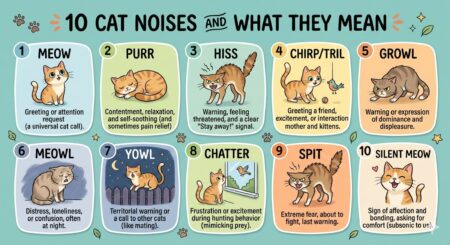
- Meow: Usually for humans: attention, food, or greeting.
- Purr: Contentment, but also self-soothing when stressed or in pain.
- Trill: Friendly greeting or invitation, often from mom to kittens.
- Chirp: Excitement, usually when spotting birds or toys.
- Hiss: Fear or threat or defensive reaction to danger.
- Growl: Aggression or warning—back off.
- Yowl: Distress, mating call, or confusion (common in seniors).
- Chatter: Frustration when watching prey they can’t reach.
- Howl: Pain, disorientation, or territorial challenge.
- Silence: A calm, confident cat may simply observe no sound needed.
Why Does My Cat Keep Meowing for No Reason?
Your cat may seem to meow for “no reason,” but there’s usually a cause to it like subtle hunger, boredom, or a need for attention. It could also signal anxiety, environmental changes, or early medical issues. Observe patterns to decode the message.
Cat Goes Into Basement and Meows (What Does It Mean?)
Your cat may meow in the basement due to curiosity, feeling trapped, or sensing something unseen like noises or drafts. It could also want to be let back upstairs or be responding to smells or animals nearby. Check if they’re stuck or anxious.
13 Year Old Cat Behavior
- Sleeps more: Normal aging; less energy and activity.
- Less playful: Joints may ache; prefers calm over chasing.
- Meows more at night: Possible confusion or cognitive decline.
- Slower movement: Arthritis or stiffness may be present.
- Grooms less: Harder to reach spots; may need help.
- Drinks more, eats less: Watch for kidney or dental issues.
- Hides more: Sensitivity to noise or stress.
- Gets clingy: Seeks comfort or security.
- Has accidents: Incontinence or mobility issues.
- Stares blankly: Possible vision loss or cognitive changes.
- Loses weight: Could signal hyperthyroidism or other illness.
- Paces or wanders: Disorientation, especially at night.
- Irritable or withdrawn: Pain or sensory decline affecting mood.
Many of these changes are part of aging but vet checks help catch treatable conditions early.
Does My Cat Have Behavior Problems?
Signs of behavior problems in cats include sudden aggression, excessive meowing, litter box avoidance, or destructive scratching. If changes are persistent, out of character, or paired with health symptoms, consult a vet to rule out pain or illness first.
How To Know Your Cat is Yelling
Cats don’t “yell” like humans, but loud, persistent, or intense meowing especially growls, yowls, or howls can be their version of yelling. It often signals distress, pain, or urgency. Pay attention if it’s new, frequent, or happens at night.
How to Fix Cat Behavior Problems
Address the root cause of the problem. Use positive reinforcement, not punishment. Increase play, provide scratching posts, and keep routines consistent. For litter or aggression issues, consult a vet or behaviorist early. Patience and kindness work best.
READ ALSO: How to Make Your Dog Get Along With Your Girlfriend? 10 Easy Ways
In Conclusion,
Cats meow to talk to us and every sound has a story. Whether it’s a plea for food, a cry for attention, or just a friendly “hello,” learning their language deepens your bond with your furry friend. So, listen closely: your cat might be saying more than you think.
FAQs:
Why do cats meow at night?
Cats meow at night due to loneliness, hunger, boredom, or instinctual activity peaks. Older cats may vocalize from confusion or discomfort.
Why do cats meow at humans and not other cats?
Cats meow at humans because they’ve learned it gets our attention for food, pets, or doors opening. They rarely meow at other cats; instead, they use body language or hisses. To them, meowing is a “human language.”
Why do cats warble?
Cats warble, a soft, chirpy trill to greet people, express affection, or get attention. It’s a friendly, positive sound, often used by moms with kittens or cats excited to see their humans.


