
Why Do Cats Sleep So Much? 10 Reasons Why
If your cat spends more time sleeping than being awake then you are not alone for other cat owners have also indicated same worry for cats are master loungers. But, know that all that snoozing isn’t just laziness, it’s part of feline behavior. From wild instincts to energy conservation, there are real reasons behind their long catnaps. So, without much ado, let’s explore the 10 surprising (and totally normal) reasons why cats sleep so much.
Science Behind Cats and Sleep: Behavior Help & Advice
Cats are natural predators with burst-energy hunting styles, so they conserve their energy through long sleep often 12 to 16 hours a day. Their sleep cycles include light dozing and deep REM phases, where they dream and process experiences. Kittens, seniors, and indoor cats may sleep more due to lower stimulation. But, providing mental enrichment, play, and a safe space helps to support healthy sleep patterns and overall well-being for your feline friend.
Are Cats Happy If They Sleep All Day?
Yes, most cats are happy sleeping all day as it’s completely normal. For cats, sleep is a sign of comfort and security, not boredom or sadness. As long as your cat is active, eating well, and engaging when awake, their naps reflect natural behavior. However, sudden changes in sleep or lethargy during waking hours may signal health issues and should be checked by a veterinary.
READ ALSO: How to Make Your Dog Get Along With Your Girlfriend?
Why Do Cats Sleep So Much? 10 Reasons Why
1. Predator instinct
Cats are built for quick, high-energy hunts so they sleep to recharge between bursts of activity. This predator instinct drives them to rest deeply in other to preserve strength for stalking and pouncing, even if they’re just chasing a toy.
2. Nocturnal nature
Cats are crepuscular (Which means appearing or active in twilight, before sunrise or after sunset). Cats are most active at dawn and dusk so they sleep during the day and night to align with their natural hunting rhythm. This pattern means they nap frequently to stay alert during peak activity times.
3. Energy conservation
Cats sleep to conserve energy for short, intense bursts of activity like pouncing or chasing. This instinct, rooted in their wild ancestry, helps them stay efficient hunters, even in a home environment. For cats, sleeping saves calories between meals.
4. Age-related needs
Kittens and senior cats need more sleep for growth, development, and recovery. Young cats use sleep to support rapid physical changes, while older ones rest more due to decreased energy and mobility.
5. Indoor lifestyle
Indoor cats often sleep more due to predictable routines, fewer environmental stimuli, and less need to hunt. Without the demands of survival, they nap frequently out of comfort and boredom.
6. Temperature regulation
Cats regulate their body temperature by seeking warm spots and sleeping. Resting helps them conserve heat in cooler environments and avoid overheating by staying still in warm ones.
7. Safety and comfort
When cats feel safe, they sleep more deeply and frequently. A secure environment signals no threats, allowing them to relax fully which is a proof they trust their home and you.
8. Boredom
Without enough mental or physical stimulation, cats may sleep to pass the time. Boredom can lead to excessive napping, so interactive toys and play helps your cat stay engaged and balanced.
9. Health factors
Illness, pain, or conditions like hypothyroidism can cause cats to sleep more than usual. So, if your cat seems lethargic, disinterested, or sleeps significantly more, a vet check is recommended.
10. Natural rhythm
Cats are naturally wired to sleep 12 to 16 hours a day. This rhythm supports their predatory lifestyle, energy needs, and overall health. So, even without hunting, it remains deeply ingrained.
My Cat Sleeps Constantly, Should I Be Worried?
If your cat sleeps a lot but is alert, eats well, and uses the litter box normally, it’s likely normal. However, sudden changes in sleep like difficulty waking, or signs of pain mean it’s time to see a vet.
Cat Sleeping a Lot But Still Eating, Should I Be Worried?
If your cat sleeps a lot but maintains a healthy appetite, uses the litter box, and is active when awake, it’s usually normal. But if they seem unusually sluggish or disengaged, a vet check can rule out any underlying issues.
Why Do Cats Sleep More Than Humans?
Cats sleep more due to their biology as predators evolved to conserve energy for short bursts of hunting. They average 12 to 16 hours of sleep daily, compared to humans’ 7 to 9. Their sleep cycles are shorter and more frequent, aligning with natural instincts, even in domestic settings.
Why Do Indoor Cats Sleep So Much?
Indoor cats sleep more because they have fewer environmental demands, no hunting, predators, or territory to defend. With food provided and limited stimulation, they nap out of comfort, routine, and sometimes boredom. But, adding play and enrichment can help balance your cat’s rest and activity.
How Many Hours a Day Do Cats Sleep by Age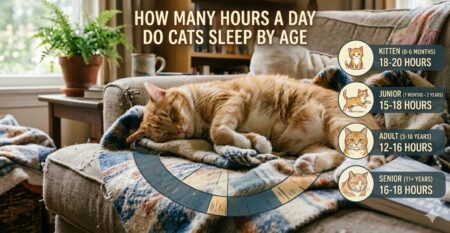
Kittens sleep 18 to 20 hours daily for growth.
Adult cats sleep an average 12 to 16 hours a day.
Seniors cats tend to sleep 16 to 18 hours daily due to lower energy and mobility.
Know that age, health, and activity level can all influence your cat’s rest patterns.
Why Do Cats Sleep in A Ball?
Cats curl into a ball to conserve body heat and protect their vital organs, a behavior rooted in survival instincts. This position also makes them feel secure and helps them rest more deeply, especially in cooler or unfamiliar environments.
What If My Cat is Sleeping Too Much? (How To Know)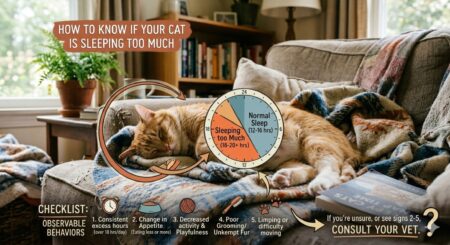
You should be worried if your feline friend sleeps more than usual and shows low energy, avoids interaction, loses appetite, or has trouble moving, it could signal illness. Normal sleep varies, but sudden changes warrant a vet visit to rule out any health issues.
Why is My Cat Sleeping So Much and Not Eating?
If your cat is sleeping excessively and not eating, it could signal illness, pain, or stress. Loss of appetite combined with lethargy is a red flag common with infections, kidney issues, or dental pain. Contact a vet immediately if you notice any of these for evaluation.
Ways To Get Rid Of Bad Habits In Cats (Sleeping for Too Long)
Cats don’t have a “bad habit” of sleeping too long for it’s natural. Instead of discouraging sleep, focus on enriching wake time with the following:
- Schedule play sessions to boost activity.
- Use puzzle feeders to stimulate their mind.
- Rotate toys to maintain interest.
- Create climbing spaces for exploration.
- Open windows or use bird feeders for visual stimulation.
If sleep seems excessive, rule out medical causes first and don’t treat normal behavior as a problem.
READ ALSO: Why Do Dogs Howl at Sirens? Real Reasons Explained
In Conclusion,
Cats sleep a lot and that’s perfectly okay. From wild instincts to cozy home life, their naps are a natural part of who they are, as long as your cat is healthy and happy when awake, those long snoozes are just a sign they feel safe, content, and well-loved.
FAQs:
What is the silent killer of cats?
The “silent killer” of cats is often kidney disease, it progresses slowly, with subtle early signs like increased thirst or urination, and is common in older cats. But regular vet checks can help catch it early.
Do cats get sad when you leave?
Yes, some cats form strong bonds and can feel stressed or lonely when left alone. Signs include vocalizing, grooming excessively, or losing appetite but not all cats react the same way.
Do cats sleep a lot during the day?
Yes, cats naturally sleep 12 to 16 hours a day, often in naps. Their crepuscular rhythm means they rest during the day and are more active at dawn and dusk.
Are cats happy if they sleep all day?
Yes, most cats are happy sleeping all day as it’s a normal behavior. As long as they’re alert, eating well, and playful when awake, their naps mean they feel safe and content.


