
10 Real Reasons Why Dogs Love Bone
Dogs and bones are a classic combo that never gets old. But, have you ever wondered why your furry friend goes crazy for a simple bone? Well, it turns out there’s more to it than just a tasty snack. Dogs have an innate attraction to bones that stems from their natural instincts, health benefits, and even emotional satisfaction. Without wasting time, let’s dig into the top reasons dogs can’t resist a good bone, and why they’re such an essential part of a dog’s life.
Why Do Dogs Like Chewing on Bones? (10 Real Reasons Why Dogs Love Bone)
Dogs enjoy chewing bones for several reasons like:
-
Natural Instinct: Chewing bones is an inherited trait from their wild ancestors.
-
Teething Relief: Puppies chew bones to ease teething pain and discomfort.
-
Jaw Exercise: Gnawing on bones strengthens a dog’s jaw muscles.
-
Flavor Variety: Different types of bones offer unique tastes and aromas.
-
Texture Satisfaction: The hardness and texture of bones appeal to dogs’ chewing preferences.
-
Digestive Aid: Some bones, like raw hide, can help support healthy digestion.
-
Interactive Play: Bones can be used in games like fetch or hide-and-seek.
-
Comfort Object: A familiar bone can provide reassurance and comfort to a dog.
-
Mental Challenge: Working to chew through a tough bone stimulates problem-solving skills.
-
Bonding Experience: Sharing a bone with your dog can create a special bonding moment.
Why Do Dogs Chew Bones At Night?
Dogs chew bones at night mainly due to boredom, anxiety, or habit. It helps them relax, keeps them occupied, and provides comfort in the quiet hours.
Why Do Dogs Like Bone Marrow?
Dogs love bone marrow because it’s packed with nutrients like protein, fat, and minerals. The creamy texture and savory taste are irresistible to them, satisfying their primal cravings. Plus, extracting marrow mimics hunting behavior, engaging their natural instincts and keeping them entertained.
SEE ALSO: Are Shiba Inus Aggressive? Find Out Here!
What Type of Bones Should You Give Your Dog?
Choosing the right bones for your dog is crucial for safety and enjoyment. Opt for durable, non-splintering bones like knucklebones, femur bones, or bully sticks. Avoid cooked bones, as they can fracture and harm your dog. Raw bones are generally safer, but supervise your dog to ensure they don’t swallow large pieces. Always pick bones appropriate for your dog’s size and chewing style to prevent choking hazards.
The Benefits of Raw Bones for Dogs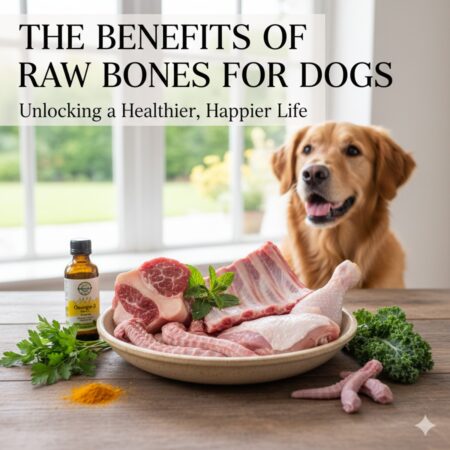
Raw bones offer several benefits for dogs like:
- Cleaner Teeth: Raw bones act as a natural dental cleaner, reducing tartar and plaque.
- Healthy Gums: Chewing raw bones massages gums, promoting blood flow and preventing gum disease.
- Nutrient Boost: Raw bones contain calcium, phosphorus, and other minerals essential for bone health.
- Satisfies Instincts: Chewing raw bones fulfills a dog’s innate urge to gnaw and hunt.
- Low Risk: Raw bones are less likely to splinter compared to cooked bones, making them safer.
- Digestive Health: Some raw bones, like marrow bones, can aid digestion due to their high enzyme content.
- Mental Stimulation: Working on a raw bone keeps dogs mentally engaged and prevents boredom.
- Variety: Raw bones come in different sizes and types, offering variety for your dog’s chewing pleasure.
- Cost-Effective: Raw bones can be a budget-friendly alternative to synthetic chew toys.
How Often Can You Give Your Dog Bones?
You can give your dog bones daily, but moderation is key. Offer bones as an occasional treat or chew toy, ensuring they don’t make up more than 10% of your dog’s daily calorie intake. So, let’s say you can generally give your dog raw, meaty bones 1 to 3 times a week, allowing short chewing sessions for 15 to 20 mins while supervising closely. Also, alternate between different types of bones to keep things interesting and prevent overconsumption of any single nutrient.
Why Do Dogs Like to Chew on Plastic Bones?
Dogs enjoy chewing plastic bones because they mimic the texture and durability of real bones. Plastic bones are often designed with ridges, bumps, and hollow centers that challenge dogs and keep them interested. They’re also safe, non-toxic, and easy to clean, making them a practical alternative to natural bones. Plus, plastic bones can be filled with treats, providing an interactive puzzle for your dog to solve.
Dog Bone Treats – Which Ones Are Best
Here are some top dog bone treats that are best for your dog and their benefits:
- Bully Sticks: High in protein, low in fat, and easily digestible.
- Raw Hide Chews: Long-lasting and promote dental health.
- Antler Chews: Durable, nutrient-rich, and won’t splinter.
- Lamb Ear Treats: Gentle on stomachs, crispy texture dogs love.
- Dental Chews: Specifically designed to reduce tartar and freshen breath.
- Sweet Potato Chews: A healthy, easily digestible alternative to traditional bones.
- Pork Hide Bones: Similar to raw hide but made from pork for a different flavor.
- Frozen Kongs: Fillable rubber toys that can be stuffed with treats or peanut butter, then frozen for a cool chew.
- Smoked Bones: Real bones smoked for extra flavor, often a hit with dogs.
- Carrot Chews: Crunchy, vitamin-rich treats that double as a bone-like snack.
How To Choose The Right Dog Bone Treat For Your Chewaholic
Choosing the right bone treat for your dog involves considering their size, chewing style, and preferences. Here’s how:
- Size: Pick bones that fit your dog’s mouth comfortably to avoid choking.
- Chew Level: Aggressive chewers need tough bones like antlers, while gentle chewers might enjoy softer options.
- Allergies: If your dog has food sensitivities, opt for single-ingredient treats or novel proteins.
- Durability: Longer-lasting bones keep your dog occupied for hours.
- Safety: Always supervise your dog and ensure the treat isn’t a choking hazard.
Aside from that, think about your dog’s age and dental health. Puppies need softer bones to protect their developing teeth, while senior dogs may prefer gentler chews. Also, if your dog has dental issues, look for bones specifically marketed for dental care. Lastly, rotate treats regularly to keep your dog interested and prevent boredom.
Your One Stop Shop For Bone Treats (Where To Buy Them)
There are several places to you can purchase bone treats for your dog such as:
- Pet specialty stores like Petco and PetSmart carry a wide selection.
- Online retailers like Chewy and Amazon offer convenience and customer reviews.
- Independent pet shops may stock unique or premium bone treats.
- Directly from manufacturers’ websites for brand-specific products.
- Veterinary clinics sometimes recommend and sell bone treats suitable for your dog’s health needs.
You can also explore local butcher shops or meat markets for raw, natural bones. Some farmers’ markets might sell organic or grass-fed bone options. Don’t forget to ask fellow dog owners for recommendations, as they might know of hidden gems in your area. Always prioritize your dog’s safety and dietary needs when selecting a source.
Are There Any Risks to Giving My Dog Bones?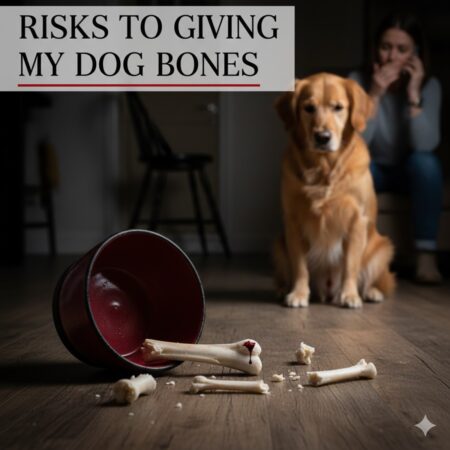
While bones can be beneficial for dogs, there are risks to consider also such as:
- Choking: Small bones or fragments can get stuck in your dog’s throat.
- Intestinal Blockage: Swallowed bones might obstruct the digestive tract.
- Dental Damage: Hard bones can crack teeth or cause gum injuries.
- Splinters: Cooked or brittle bones may splinter and harm your dog’s mouth or digestive system.
- Bacterial Contamination: Improperly handled bones can carry harmful bacteria like Salmonella.
Also, some bones can cause digestive upset if your dog isn’t used to them. So, monitor your dog’s behavior and stool quality after introducing bones. and be cautious with bones that are too large or heavy, as they could potentially cause injury if chewed aggressively or if your dog tries to swallow them whole.
In Conclusion,
Now, it is without doubt that a dogs’ affection for bones is rooted in their instincts, health benefits, and sheer enjoyment. Bones provide mental stimulation, dental care, and a sense of satisfaction. However, it’s crucial to choose the right bones, supervise your dog, and be aware of potential risks. By understanding why dogs love bones and taking necessary precautions, you can enhance your dog’s happiness and well-being while strengthening your bond with them.
FAQs:
Do dogs eat bones?
Yes, many dogs enjoy eating bones, as they provide a tasty treat and help keep their teeth clean.
Why are bones important for dogs?
Bones are important for dogs because they support dental health, satisfy their chewing instinct, and offer mental stimulation. Chewing bones can also help reduce anxiety and prevent destructive behavior.
Do dogs actually eat bones or just chew them?
Dogs typically chew bones more than eat them. The act of chewing helps remove marrow and gristle, while smaller bone fragments might be swallowed. Larger bones often serve as durable chew toys rather than food.
Do dogs like bones more than meat?
Dogs generally love both bones and meat. Although, some research suggests that most dogs love bone more than meat, but their preference can vary. Some dogs are more enthusiastic about bones due to the chewing experience, while others might favor meat for its taste and smell. It really depends on the individual dog.


