
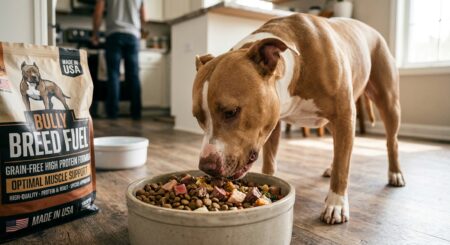
Best Dog Food for Pitbulls and How to Choose the Right Formula
Pitbulls are energetic, muscular dogs with unique nutritional needs to support their strength and choosing the best dog food for them means looking at high-quality protein sources, balanced fats, and formulas tailored to their life stage and activity level which can be somewhat difficult with so many options out there. So, it is important to know what ingredients matter most and how to pick a formula that keeps your Pitbull thriving. Let us break down what to look for and why it makes a difference.
Can Pitbulls Eat Dog Food?
Absolutely, Pitbulls should and can eat dog food! Specifically, they thrive on high-quality formulas designed for active breeds, with real meat as the first ingredient and balanced nutrition to support their muscles, skin, and energy levels. Not all dog foods are created equal though, so picking one tailored to their needs makes all the difference.
What is The Recommended Dog Food for Pitbulls?
The recommended dog food for Pitbulls usually features high protein (25% or more), healthy fats like omega-3s for skin and coat, and limited fillers like corn or soy. Popular trusted brands include Orijen, Taste of the Wild, and Blue Buffalo Wilderness, etc.
15 Best Dog Food for Pitbulls 2026
Here are 15 top dog foods great for Pitbulls in 2026, chosen for quality ingredients, breed-specific needs, and vet recommendations:
- Orijen Original: High-protein, grain-free, rich in fresh meat
- Taste of the Wild Pitbull Formula: Species-appropriate proteins, probiotics
- Blue Buffalo Wilderness: Grain-free, high-protein, with LifeSource Bits
- Wellness CORE Grain-Free: High-protein, supports muscle in active dogs
- Canidae All Life Stages: Great for multi-dog households
- Merrick Grain-Free Performance: 45% protein for active breeds
- Acana Regionals Grasslands: Balanced diet with varied protein sources
- Royal Canin American Staffordshire Terrier: Breed-specific kibble shape and nutrients
- Nom Nom Fresh Dog Food: Custom-fresh meals delivered
- Purina Pro Plan Sport 30/20: High protein and fat for working dogs
- Nulo Freestyle Grain-Free: Supports lean muscle and digestion
- Open Farm Grain-Free: Ethically sourced, with added superfoods
- Instinct Raw Boost Grain-Free: Mix of kibble and freeze-dried raw
- Diamond Naturals Extreme: High protein, affordable performance formula
- Holistic Select Natural: Digestive support with probiotics and prebiotics
But always check with your vet to match your Pitbull’s specific needs!
Best Dog Food for Pitbulls to Gain Muscle
To help your Pitbulls gain muscle, look for dog foods with 30%+ protein, real meat as the first ingredient, and added amino acids like L-carnitine. Top picks include Merrick Grain-Free Performance, Orijen, and Purina Pro Plan Sport 30/20 and all designed for active breeds needing lean mass support.
Best Dog Food for Pitbulls with Skin Allergies
For Pitbulls with skin allergies, choose limited-ingredient or hypoallergenic formulas with novel proteins like duck, salmon, or venison, and avoid common allergens like beef, chicken, corn, and soy. Great options include Blue Buffalo Basics, Wellness Simple, and Purina Pro Plan Veterinary Diets HA Hydrolyzed. Also look for added omega-3s and probiotics to support skin health and reduce inflammation.
Best Dry Dog Food for Pitbulls With Skin Allergies
For Pitbulls with skin allergies, top dry dog foods include Blue Buffalo Basics Duck & Potato, Wellness Simple Limited Ingredient, and Purina Pro Plan HA Hydrolyzed—all grain-free with minimal ingredients to reduce triggers. These formulas use novel proteins and added omegas to soothe itchy skin and support a healthy coat.
Best Homemade Dog Food for Pitbulls with Skin Allergies
A simple homemade diet for Pitbulls with skin allergies might include boiled turkey or salmon, sweet potatoes, carrots, and a vet-approved supplement for balanced nutrition. Stick to hypoallergenic ingredients like beef or wheat, and always work with your vet or a canine nutritionist to ensure the meal meets all dietary needs and avoid common triggers.
What is the Best Dog Food for Pitbulls with Sensitive Stomachs?
For Pitbulls with sensitive stomachs, look for easily digestible formulas with limited ingredients, like Wellness Simple, Blue Buffalo Basics, or Purina Pro Plan Sensitive Skin & Stomach. These brands use novel proteins (e.g., salmon or duck) and prebiotics to support gentle digestion and avoid fillers, grains, and artificial additives.
Best Dog Food for Pitbull Puppy
Pitbull puppies need nutrient-rich food to support their growth and energy. Top picks include Royal Canin Large Puppy, Blue Buffalo Life Protection Puppy, and Wellness CORE Grain-Free Puppy—all high in protein, DHA for brain development, and calcium for strong bones. Choose a formula specifically for large-breed puppies to support healthy growth without overloading joints.
5 Dog Food for Senior Pitbulls
Below are 5 great dog foods for senior Pitbulls:
- Royal Canin Aging 8+: Tailored nutrition for older dogs, supports joint and cognitive health
- Hill’s Science Diet Senior: Easy-to-digest, with antioxidants for immunity
- Purina Pro Plan Senior 7+: High protein, low fat to maintain muscle and manage weight
- Wellness Complete Health Senior: Grain-free, with glucosamine for joint support
- Blue Buffalo Life Protection 7+: Natural ingredients, omega-3s for skin and mobility
Always consider your dog’s activity level and health needsco and don’t forget to consult your vet if unsure.
READ ALSO: Are Corgis Hypoallergenic? Here is the Answer!
10 Best Affordable Dog Food for Pitbulls
Here are 10 affordable yet quality dog foods great for Pitbulls:
- Purina Pro Plan Sport 30/20: High protein, trusted brand
- Diamond Naturals Extreme: 42% protein, budget-friendly
- Blue Buffalo Life Protection: Real meat, no fillers
- Taste of the Wild High Prairie: Grain-free, roasted bison formula
- Wellness CORE Original: High-protein, grain-free option
- Nutro Wholesome Essentials: Natural ingredients, moderate price
- Canidae All Life Stages: Great for multi-dog homes
- Iams ProActive Health: Balanced nutrition, widely available
- Pedigree Adult Complete: Budget staple (best for mild needs)
- Kibbles ‘n Bits: Affordable, varied flavors (check ingredient quality)
Look for sales, buy in bulk, and compare per-pound cost to save more.
How to Choose the Right Formula (Food) for Pitbulls
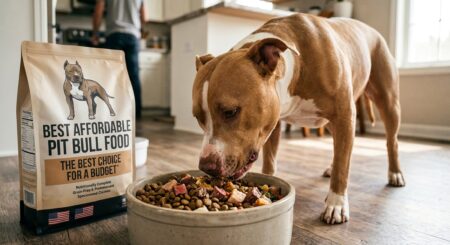
Here’s how to choose the right dog food for your Pitbull:
- Check Protein Content: Aim for 25–30%+ from real meat like chicken, beef, or fish to support muscle.
- Match Life Stage: Puppies, adults, and seniors have different needs—pick age-appropriate formulas.
- Consider Activity Level: Active Pitbulls need more calories and protein; less active ones need balanced, lower-fat options.
- Watch for Allergies: If your dog has skin or stomach issues, try limited-ingredient or novel protein diets.
- Avoid Fillers: Steer clear of corn, soy, and artificial additives that offer little nutrition.
- Look for Added Nutrients: Omega fatty acids for skin, glucosamine for joints, and probiotics for digestion.
- Consult Your Vet: Especially for health conditions, your vet can recommend specific formulas.
Pick a food that fits your dog’s unique needs and not just the breed label.
Pitbull Feeding Chart by Age
Below is a general feeding guide for Pitbulls according to their age:
- Puppy (8–12 weeks): 3–4 meals/day, 1–1.5 cups total (high-calorie puppy food)
- Puppy (3–6 months): 3 meals/day, 1.5–2 cups total
- Puppy (6–12 months): 2–3 meals/day, 2–2.5 cups total
- Adult (1–7 years): 2 meals/day, 2–3 cups depending on activity and size
- Senior (7+ years): 2 meals/day, 1.5–2.5 cups (lower calorie, easier to digest)
Always follow package guidelines and adjust based on your dog’s weight and vet advice.
What is Bully Max dog Food?
Bully Max is a high-protein dog food designed for muscle-building breeds like Pitbulls. It offers 30% protein and 20% fat, making it ideal for active dogs or those needing to gain lean mass.
The formula includes glucosamine for joints, DHA for brain health, and no corn, soy, or wheat. It’s often used by trainers and owners focused on strength and conditioning.
What Foods Should Pitbulls Avoid?
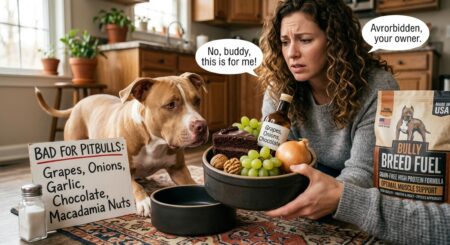
Pitbulls should avoid foods like chocolate, grapes, raisins, onions, garlic, avocados, and xylitol (found in sugar-free gum)—all toxic to dogs. Also steer clear of high-fat, salty, or processed human foods, as they can cause pancreatitis or digestive issues. Stick to dog-safe treats and balanced kibble for optimal health.
READ ALSO: Do Great Pyrenees Shed? Find Out!
Practical Ways on How to Feed a Pitbull Puppy for Maximum Growth
To support healthy growth in a Pitbull puppy, feed a high-quality puppy formula 3–4 times daily, gradually reducing to 2 meals by 6 months. Choose food rich in protein, DHA, and calcium like Royal Canin or Blue Buffalo Puppy.
Always measure portions to avoid overfeeding, and avoid free-feeding to prevent obesity. Always provide fresh water and consult your vet for personalized guidance.
In Conclusion,
Choosing the best dog food for your Pitbull comes down to quality ingredients, life stage, and individual needs but whether that’s muscle growth, allergy support, or senior care, focus on high-protein, nutrient-dense formulas with real meat and no fillers. When in doubt, consult your vet to find a balanced diet that keeps your Pitbull strong, healthy, and thriving for years.
FAQs:
What is Pitbull’s favorite food?
Pitbulls don’t have a universal favorite, but many love high-protein foods like chicken, beef, or fish-based formulas.
What should a pitbull eat daily?
A Pitbull should eat high-quality dog food with real protein as the first ingredient, typically 2 to 3 cups daily, split into two meals. Amount depends on age, weight, and activity level.
What is The Worst dog food for Pitbulls?
The worst dog foods for Pitbulls are those with fillers like corn, soy, or wheat, artificial additives, or low protein.
What dog food will help my pitbull gain weight?
High-calorie, high-protein foods like Bully Max, Purina Pro Plan Weight Gain, or Royal Canin Recovery can help your Pitbull gain healthy weight. Look for 30%+ protein and 20%+ fat, and feed slightly more frequent meals.


